
Pet insurance • Practical decisions

Choose affordable dog cover without relying on a later upgrade

A lower opening premium is useful only if the policy already serves its purpose. Adding protection after a problem appears may not work.

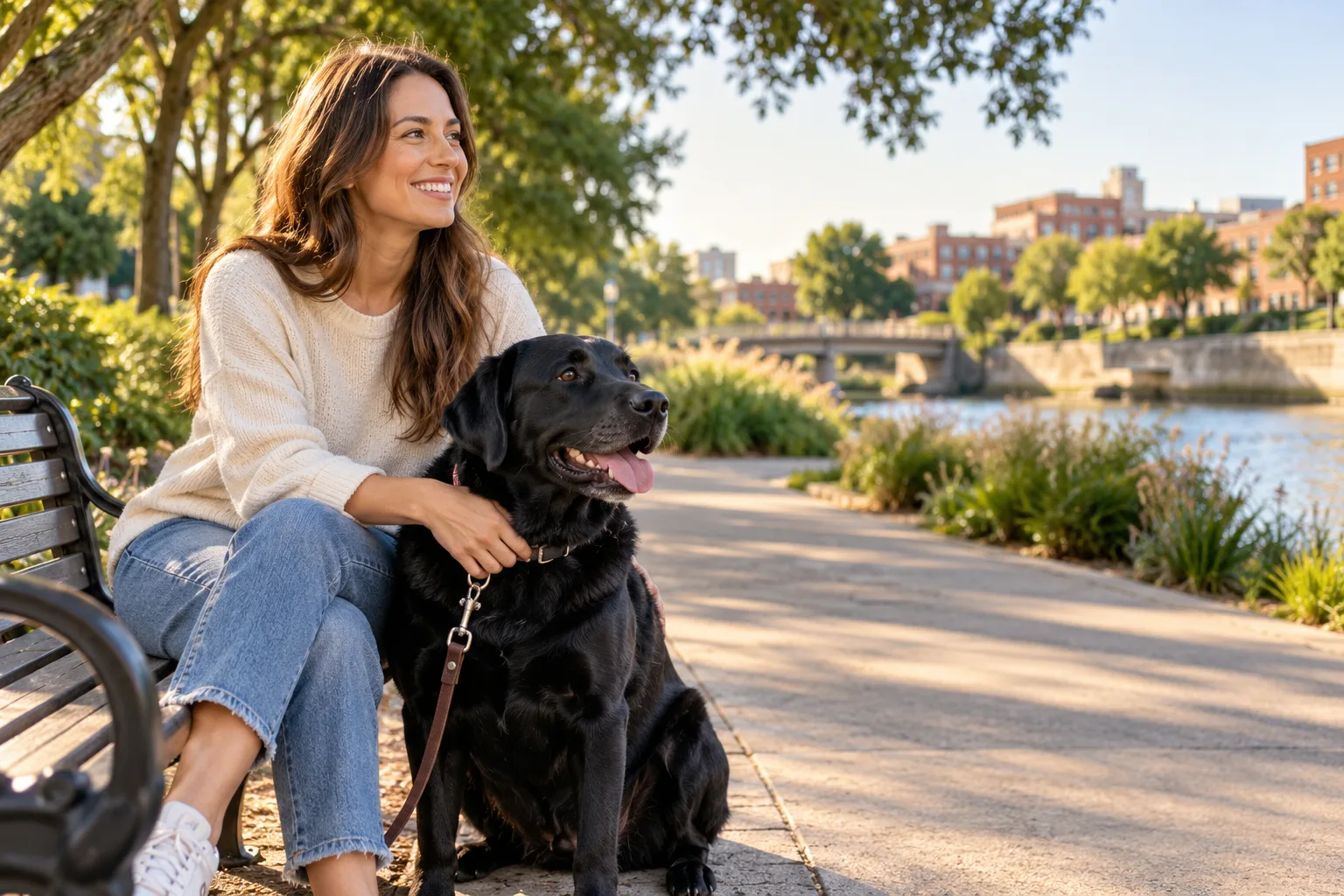
Owner with a black dog beside a park path
✓ Policy-first ✓ Independent ✓ Useful checks
Direct answer
The best affordable dog policy is the lowest-priced suitable offer you can keep, without depending on a future upgrade to cover a problem that has already appeared. Compare complete current configurations and their change rules. Do not treat a cheap restricted policy as equivalent to broader cover on the assumption that you can add the missing protection whenever you need it.
Cost & value

Define “best” before looking at the smallest price

  • Required scope: new illnesses as well as accidents, if both are your purpose.
  • Relevant contract terms: hereditary conditions, prior symptoms and any orthopedic provisions.
  • Usable benefit: a limit and retained share compatible with a serious bill.
  • Usable payment route: enough accessible cash or a confirmed clinic arrangement.
FAQ

Use current product differences as questions

Its selected optional benefits still matter. Pets Best offers both accident-only and accident-and-illness choices; its current materials describe selectable expense benefits that depend on the actual offer. Compare the configured products, rather than assigning one score to an entire brand.

If medical-history uncertainty dominates your decision, Embrace’s requested review after purchase can be relevant. It does not supply a pre-purchase guarantee. These examples are a starting shortlist, not proof that one of these providers will be your cheapest or best option.

An offer that omits the protection you require fails before price ranking. If you intentionally choose a narrower contract, write down that purpose and keep the missing risk in your care budget.

Availability

An available option is not an anytime option

It says that after the initial window, increases must wait until renewal. Decreases have different rules. Read the offered state terms and the specific option rather than treating “customizable” as an unlimited right to change the policy.

A useful dog-insurance comparison therefore includes two configurations now: the inexpensive version you could accept as it stands, and the fuller version you are considering. If the first fails an essential requirement, it should not win solely because you hope to repair it later.

These are one provider’s described change rules, not a rule for every insurer. Ask each finalist when an increase can take effect, whether it needs approval and how the animal’s intervening history is treated.

What to know

Rehearse the point at which the cheaper plan stops fitting

Fictional sequence What to establish What not to assume
At enrollment you decline a benefit Whether the remaining configuration meets the purpose you need insured. That a listed optional benefit can always be bought later.
During the term a new concern appears The current policy’s actual response to the condition and expense. That a change requested now applies to an earlier expense.
At the next permitted change window Approval, effective date and any condition-related restrictions for the increase. That more premium automatically expands benefits for existing treatment.

This is a planning sequence, not a description of a real claim. If a dog needs care now, arrange care promptly and use the policy already in force where applicable. Do not wait for a policy-change window before investigating symptoms.

Different changes raise different questions. Adding an examination-fee benefit, increasing a payment limit and moving from accident-only to illness protection are not the same transaction. Ask for the written treatment of the specific change, rather than accepting a general assurance that “upgrades are possible.”

What to know

Keep the less expensive choice honest

You may reasonably choose a narrower offer and retain a known expense yourself. Make that a deliberate budget decision: write which costs stay yours and how you could fund them. There is no need to purchase every available option just because future changes are restricted.

Compare the complete annual charges for the configurations that remain suitable. If a higher deductible creates a premium saving, keep the added owner exposure visible. If dropping a routine-care extra saves money, still budget for the care your veterinarian recommends. A smaller premium must not silently consume the money needed to use the policy.

When the renewal arrives, reassess the actual terms while preserving the implications of newly accumulated history. Do not cancel useful existing cover before checking the proposed replacement. No price sample or universal dog-insurance winner is claimed here: the result is the cheapest acceptable current offer from your verified shortlist, with a clear plan for what it leaves outside.

Evidence

Sources and policy context

These public references support the consumer or veterinary context. Named insurer details were checked in official product materials; the policy offered for your pet and state determines the actual terms.

Next step

Compare Current Pet Insurance Rates

Check current options for your pet and location, then compare the policy details, exclusions, costs, and eligibility before choosing.

Compare the policy before you choose Check the actual offer, exclusions and out-of-pocket terms.
See Rate Options